

Healthcare
Popular Courses
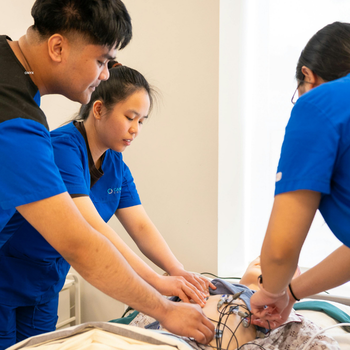








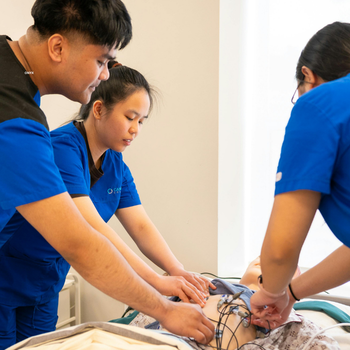





Healthcare Training Programs in Abu Dhabi
Looking for career-focused healthcare training programs in Abu Dhabi? Onyx Education and Development Institute offers a range of healthcare and medical training options designed for learners at different stages of their careers. Courses include Certified Nursing Assistant (CNA), Certified Caregiver Professional (CCP), Certified Professional Coder (CPC), Phlebotomy, NCFE CACHE Health and Social Care, Healthcare Support and CSSD Technician training.
Whether you are starting a healthcare career, developing existing skills, or exploring a new professional path, you can compare courses based on your career goals, eligibility, learning requirements, and preferred area of healthcare.
Choose a healthcare course that matches your career goals and take the next step towards professional development.
Explore Healthcare Courses in Abu Dhabi
Healthcare covers a wide range of professional roles, from direct patient care and caregiving to medical coding, laboratory support and sterile services. Choosing the right programme depends on the type of work you want to pursue and the skills you want to develop.
Popular healthcare training options include:
- Certified Nursing Assistant (CNA)
- Certified Caregiver Professional (CCP)
- Certified Professional Coder (CPC)
- Phlebotomy Course
- NCFE CACHE Level 2 Certificate in Health and Social Care
- NCFE CACHE Level 3 Diploma in Healthcare Support
- Arabic Certified Nursing Assistant
- Central Sterile Supply Department (CSSD) Technician Course
Each programme has different learning objectives, entry requirements, duration, assessment methods, and career applications. Review the individual course details before enrolling to make sure the programme matches your educational and professional goals.
Which Healthcare Course Is Right for You?
The best healthcare course depends on your preferred career direction, previous education, and the type of responsibilities you want to undertake.
| Your Career Goal | Course to Consider |
|---|---|
| Start a career in nursing support and patient care | Certified Nursing Assistant (CNA) |
| Develop caregiving and personal-care skills | Certified Caregiver Professional (CCP) |
| Work towards medical coding skills | Certified Professional Coder (CPC) |
| Develop blood-collection and laboratory skills | Phlebotomy Course |
| Build foundational health and social care knowledge | NCFE CACHE Level 2 |
| Develop broader healthcare support knowledge | NCFE CACHE Level 3 |
| Develop sterile-services knowledge | CSSD Technician Course |
| Prefer CNA training with Arabic-language support | Arabic CNA |
This comparison makes it easier to identify a programme based on your intended career pathway rather than choosing a course simply because it is popular.
Certified Nursing Assistant Course in Abu Dhabi
A Certified Nursing Assistant (CNA) course focuses on the knowledge and practical skills required to support patients and contribute to quality care under the appropriate supervision.
CNA training can be suitable for learners interested in patient support, nursing assistance, and entry-level healthcare roles. Depending on the programme, learning may cover areas such as personal care, patient safety, communication, infection prevention, vital signs and basic healthcare support.
What Are the Benefits of CNA Certification?
The benefits of CNA certification can include structured healthcare knowledge, practical patient-care skills and greater understanding of professional responsibilities. Certification can also help learners demonstrate that they have completed relevant training when applying for suitable healthcare-support opportunities.
However, certification should not be confused with professional licensing. Employment eligibility and licensing requirements depend on the role, qualification, employer, and applicable UAE regulations.
Who Should Consider CNA Training?
CNA training may be suitable for:
- School graduates exploring healthcare careers
- Career changers interested in patient care
- Learners seeking foundational nursing-support knowledge
- Individuals interested in healthcare assistant or nursing-support roles
- Existing care workers looking to strengthen their knowledge
Interested in patient-care training? Explore the CNA programme and review its specific entry requirements and course details.
Healthcare Assistant Course in Abu Dhabi
A healthcare assistant course in Abu Dhabi can help learners develop skills associated with supporting patients, residents, or individuals who require assistance with everyday care.
Healthcare assistant training can cover areas such as:
- Person-centred care
- Communication with patients and residents
- Activities of daily living
- Personal hygiene and grooming
- Infection prevention
- Vital signs and observation
- Record keeping
- Patient safety
- Safeguarding
- Professional communication
- Teamwork in healthcare environments
Healthcare assistant, nursing assistant, and caregiver roles can overlap in some responsibilities, but they are not necessarily identical. Always review the qualifications, job description, and regulatory requirements associated with the role you want to pursue.
Certified Caregiver Professional Course in Abu Dhabi
Caregiving focuses on supporting individuals with everyday needs while promoting dignity, safety, comfort, and independence.
The Certified Caregiver Professional (CCP) programme can be relevant to learners interested in caregiving and elderly care support. Topics may include communication, activities of daily living, infection control, documentation, vital signs, personal hygiene, and preventing abuse or neglect.
If caregiving is your preferred career direction, explore the certified caregiver professional course in Abu Dhabi to understand its curriculum, schedule, duration, and enrolment requirements.
Medical Courses in Abu Dhabi for Different Career Paths
Medical courses in Abu Dhabi can cover a variety of healthcare disciplines rather than one specific career.
For example, learners may choose patient-care training, medical coding, phlebotomy, health and social care, or sterile-services training depending on their interests.
Medical Coding and Healthcare Administration
Certified Professional Coder (CPC) training can introduce learners to medical coding concepts and the role of accurate healthcare documentation in administrative and billing processes.
Phlebotomy and Laboratory Support
Phlebotomy training focuses on the knowledge and skills associated with blood collection and related laboratory procedures. Learners should review the programme's practical requirements and assessment process before enrolling.
CSSD Technician Training
CSSD Technician training focuses on sterile-services operations and the importance of infection prevention, sterilisation, and safe handling of medical equipment in healthcare environments.
Online Healthcare Classes in Abu Dhabi
Online healthcare classes in Abu Dhabi can provide a flexible learning option for working professionals, career changers and learners who prefer studying remotely.
Before selecting an online programme, check:
- Whether the course is fully online or blended
- Whether practical sessions are required
- How assessments are conducted
- Whether attendance is mandatory
- How instructors provide support
- What technology or equipment is required
- How certification is issued
- Whether any in-person training is required
Not every healthcare programme can be treated as fully online because some healthcare disciplines involve practical skills. Always check the delivery format of your chosen course.
Prefer flexible learning? Check the course format and choose a programme that fits your schedule and career objectives.
NCFE CACHE Health and Social Care Courses
Learners interested in broader health and social care education can consider NCFE CACHE qualifications at different levels.
NCFE CACHE Level 2
Level 2 can provide foundational knowledge for learners beginning their journey in health and social care. It can be useful for developing an understanding of care principles, communication, wellbeing and professional responsibilities.
NCFE CACHE Level 3 Healthcare Support
Level 3 provides a more advanced route into healthcare support education and can cover areas such as person-centred care, healthcare support, professional practice, legal and ethical considerations, and working with other healthcare professionals.
The right level depends on your previous education, experience and career objectives. Review the individual qualification requirements before applying.
Healthcare Course Eligibility and Entry Requirements
Eligibility varies between healthcare programmes. Some entry-level courses may be suitable for learners with limited healthcare experience, while more advanced qualifications can have additional academic or professional requirements.
Before enrolling, check:
- Minimum age requirements
- Educational qualifications
- Previous healthcare experience
- English-language requirements, where applicable
- Identification or documentation requirements
- Assessment or interview requirements
- Equipment or technology requirements
- Practical training requirements
If you are unsure which programme fits your background, speak with the admissions team before making your decision.
Healthcare Course Fees and Duration in Abu Dhabi
Healthcare course fees and duration vary according to the qualification, curriculum, delivery method and level of study.
When comparing programmes, consider more than the advertised course fee. Check what is included in the price, whether assessments or practical sessions are included, how long the course takes, and whether there are additional requirements.
A useful comparison should include:
| Factor | What to Check |
|---|---|
| Course fee | Total advertised tuition cost |
| Duration | Number of weeks or months |
| Learning mode | Online, classroom or blended |
| Practical training | Whether hands-on sessions are included |
| Assessment | Exams, assignments or skills assessment |
| Certification | Certificate or qualification awarded |
| Entry requirements | Education and experience needed |
| Career relevance | Roles related to the programme |
Compare your preferred healthcare programme with its current fee, duration and entry requirements before enrolling.
What Will You Learn in Healthcare Training?
Healthcare education can combine theoretical knowledge with professional skills relevant to patient and care environments.
Depending on the programme, topics may include:
- Patient-centred care
- Anatomy and physiology
- Infection prevention and control
- Health and safety
- Communication skills
- Vital signs
- Personal care
- Activities of daily living
- Safeguarding
- Documentation and record keeping
- Professional ethics
- Healthcare teamwork
- Clinical support
- Medical terminology
- Healthcare administration
The exact curriculum depends on the course selected, so learners should review the individual course syllabus before registration.
Career Opportunities After Healthcare Training
Healthcare training can support different career directions depending on the qualification completed and the requirements of the role.
Potential career areas include:
- Nursing assistance
- Healthcare assistance
- Caregiving
- Health and social care
- Medical coding
- Phlebotomy
- Healthcare support
- Sterile-services support
Course completion does not automatically guarantee employment or a professional licence. Career opportunities depend on the qualification, employer requirements, experience, and applicable UAE regulations.
Certification, Accreditation and UAE Licensing
Certification, accreditation and professional licensing are different concepts.
A course certificate confirms completion of a particular training programme. Accreditation or awarding-body recognition relates to the organisation or framework associated with a qualification. Professional licensing is a separate regulatory process that may apply to specific healthcare professions.
For this reason, learners should check the exact status of their chosen qualification before enrolling and confirm any professional licensing requirements with the relevant UAE authority.
This distinction is especially important for anyone planning to work in a regulated healthcare profession.
Why Choose Onyx Education and Development Institute?
Choosing a healthcare training provider is an important decision. Before enrolling, consider the course curriculum, instructor expertise, qualification or certificate awarded, learning format, practical requirements, and student support.
Onyx Education and Development Institute provides healthcare and professional training options across several disciplines, allowing learners to explore different pathways according to their career interests.
You can also explore the institute's internationally accredited courses and other professional learning options before deciding which programme is right for you.
How to Choose the Right Healthcare Course in Abu Dhabi
Start by identifying your intended career direction.
If you enjoy direct patient support, explore CNA or healthcare-support pathways.
If you are interested in personal care and supporting individuals with daily activities, consider caregiver training.
If you prefer healthcare administration and documentation, medical coding may be more suitable.
If you are interested in laboratory-related work, investigate phlebotomy training.
If you want broader health and social care education, compare NCFE CACHE qualifications.
Finally, check the eligibility criteria, course duration, delivery format, practical requirements, certification, and applicable regulatory requirements before enrolling.
Frequently Asked Questions
What healthcare training programs are available in Abu Dhabi?
Healthcare training can include CNA, caregiver, healthcare support, medical coding, phlebotomy, health and social care, and CSSD Technician programmes, depending on the training provider.
Which healthcare course is best for beginners?
Entry-level programmes such as CNA, caregiver, or foundational health and social care courses may suit beginners, depending on their education, interests, and career goals.
What qualifications do I need for a healthcare course in Abu Dhabi?
Requirements vary by programme. Some courses may accept beginners, while advanced qualifications can require specific education, experience or other eligibility criteria.
How much does a healthcare course cost in Abu Dhabi?
Healthcare course fees vary according to the programme, qualification, duration and delivery format. Check the individual course page for the latest fee before enrolling.
How long does a healthcare course take?
Course duration varies considerably. Short professional courses may take weeks or months, while higher-level qualifications can take longer to complete.
Can I study healthcare courses online in Abu Dhabi?
Some healthcare programmes may offer online or blended learning. However, courses involving practical skills may require in-person sessions or assessments.
What is a CNA course?
A Certified Nursing Assistant course provides training in foundational patient-care and nursing-support skills, preparing learners for suitable healthcare-support environments subject to applicable requirements.
What are the benefits of CNA certification?
The benefits of CNA certification can include structured patient-care knowledge, practical healthcare skills, professional confidence, and evidence of completed training for relevant employment opportunities.
What does a healthcare assistant do?
A healthcare assistant may support patients with daily care, communication, mobility, personal hygiene and other appropriate activities while working within their training, role and level of supervision.
Is a CNA the same as a healthcare assistant?
CNA and healthcare assistant roles can share patient-support responsibilities, but the qualifications, duties and regulatory requirements can differ depending on the employer and healthcare system.
What is the difference between a CNA and a caregiver?
A CNA generally focuses on nursing-support and patient-care tasks, while caregiving often emphasises personal care, daily activities, comfort and support. Exact duties depend on the role and qualification.
Are healthcare courses in Abu Dhabi suitable for international students?
Eligibility for international learners depends on the individual programme and its admission requirements. Check the course requirements and documentation needed before applying.
Do healthcare courses provide a UAE healthcare licence?
Completing a healthcare training course does not automatically provide a UAE professional licence. Licensing requirements depend on the profession, qualification, and applicable regulatory authority.
Is practical training included in healthcare courses?
Practical requirements vary by course. Programmes involving clinical, patient-care or technical skills may have practical components, so learners should check the individual curriculum.
How do I enrol in a healthcare course in Abu Dhabi?
Review the course requirements, confirm the schedule and fee, submit the required information, and contact the training provider if you need assistance selecting a programme.
Ready to explore your options? Contact Onyx Education and Development Institute to discuss your preferred healthcare course.