

Basic Life Support (HSI)
Our Offers

Send Enquiry
Enroll Now
The course outcome for Basic Life Support (BLS) under the Health & Safety Institute (HSI) typically includes the following key skills and knowledge:
1. CPR Techniques
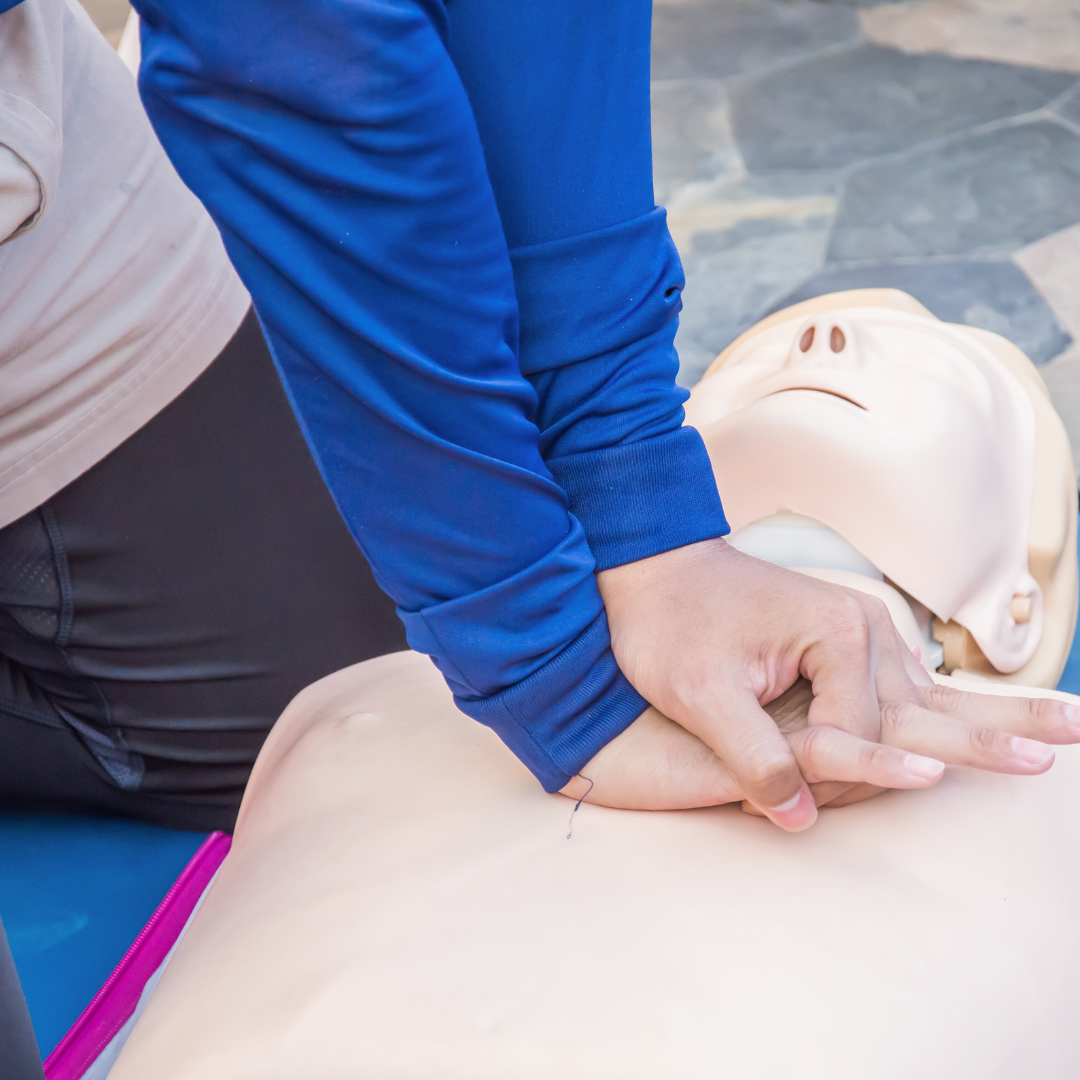
- Adult, Child, and Infant CPR: Students will learn how to perform Cardiopulmonary Resuscitation (CPR) on adults, children, and infants, including the correct hand placement, compression depth, and rate.
- Chest Compressions & Rescue Breathing: Mastery of chest compressions combined with rescue breathing, or "mouth-to-mouth," for all age groups.
2. Automated External Defibrillator (AED) Use
- AED Operation: Proper use of an AED, including how to turn on the device, apply pads correctly, and follow prompts to deliver shocks if necessary.
- Safety Precautions: Understanding the safety measures to take when using an AED.
3. Relief of Choking
- Adult, Child, and Infant: Techniques to relieve choking in adults, children, and infants, including the Heimlich maneuver and back slaps.
- Conscious and Unconscious Victims: How to assist both conscious and unconscious choking victims.
4. Airway Management
- Airway Obstruction: Identifying and managing airway obstructions in different age groups.
- Recovery Position: Placing a person in the recovery position to maintain an open airway.
5. Recognition of Life-Threatening Emergencies
- Cardiac Arrest & Respiratory Arrest: How to recognize the signs of cardiac arrest and respiratory arrest and take immediate action.
- Stroke & Heart Attack Symptoms: Identifying symptoms of a stroke and heart attack and understanding the importance of early intervention.
6. Team Dynamics in a BLS Scenario
- Coordinated Efforts: Working effectively in a team during a resuscitation attempt, understanding roles, and ensuring clear communication.
- Transitioning Roles: Seamlessly transitioning roles in a resuscitation scenario, ensuring continuous care.
7. Legal and Ethical Considerations
- Good Samaritan Laws: Understanding the legal protections for those who provide emergency care.
- Consent: Knowledge of obtaining consent from the patient or guardians before administering care.
8. Certification
- HSI BLS Certification: Upon successful completion of the course and practical assessments, participants receive an HSI BLS certification, which is typically valid for two years.
These outcomes ensure that participants are well-prepared to respond effectively to life-threatening emergencies in various settings.
Register Your Interest