

Blogpost
Understanding Nursing Education: From Classroom Learning to Clinical Practice
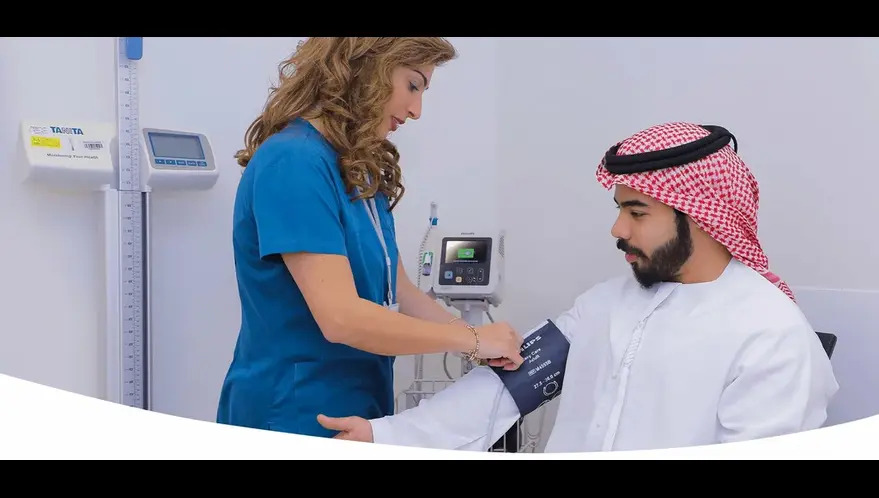
The first time a nursing student checks a real patient's pulse, the textbook comes alive. That moment is where classroom learning and clinical practice meet, and it is the heart of every nursing programme. Whether you are a school leaver, a career changer, or researching a course for nursing in Abu Dhabi, knowing how training unfolds helps you choose wisely and prepare early. This guide walks through each stage, from lecture halls to hospital wards. Stay with it, because the licensing section answers the question most students ask too late.
Lecture Hall Lessons: The Science Side of Nursing Education
Anatomy and Physiology: Learning the Body's Blueprint
Anatomy is the study of the body's structure, while physiology explains how each part works. Together, they form the base of every nursing decision. Students learn why failing kidneys can cause swollen ankles or why low oxygen confuses the brain, knowledge they will lean on daily.
Pharmacology: The Science Behind Every Dose
Pharmacology is the study of how medicines act on the body. Nursing students learn drug classes, side effects, and dosage calculations, and many programmes set high pass marks for medication maths. One misplaced decimal can harm a patient, so this subject trains precision as much as knowledge.
The Rehearsal Room: Skills Labs in Nursing Education
Simulation Labs: Practice Without the Pressure
A simulation lab is a mock hospital ward with high-fidelity manikins, lifelike models that breathe, bleed, and react to treatment. Students can practise handling a cardiac arrest or an allergic reaction, make mistakes safely, and then review recorded footage with instructors to see exactly what went wrong.
OSCEs: The Skills Exam With a Stopwatch
An OSCE, or Objective Structured Clinical Examination, tests practical skills at timed stations. One station might ask you to take blood pressure, another to explain a medicine to an actor playing a patient. Examiners score both technique and communication, so rehearsing out loud pays off.
Real Patients, Real Stakes: Clinical Practice in Nursing Education
Clinical Rotations: Learning Ward by Ward
Clinical rotations are supervised placements in real healthcare settings, each focused on a single specialty. Over a degree, students might move through medical, surgical, paediatric, maternity, mental health, and community care. Each rotation shows a different pace of nursing and helps you discover where you feel most at home.
Preceptorship: Your Personal Guide on the Floor
A preceptor is an experienced nurse assigned to supervise and teach a student during placement. You shadow their shifts, take on tasks as your confidence grows, and receive regular feedback. A good preceptor teaches the unwritten lessons too, like calming an anxious family or prioritising during a hectic night.
Care Plans and Charting: Thinking on Paper
A nursing care plan is a written roadmap that lists a patient's problems, goals, and the actions to reach them. Students write many of these, along with accurate charting in electronic records. Clear notes protect patients, support the next nurse on duty, and hold up under legal review.
The License Gate: Finishing Your Nursing Education in the UAE
Choosing the Right Title and Credential
UAE regulators recognise several nursing titles, and the Registered Nurse role requires a bachelor's in nursing of at least three years full-time. Distance-learning degrees do not count. If you are exploring entry-level routes, note that CNA certification is a US credential, so confirm DOH accepts it first.
Dataflow and the DOH Exam
Abu Dhabi licenses nurses through its Department of Health, formerly HAAD. Dataflow is a primary source verification check, meaning the agency contacts your university and employers directly to confirm your documents. After that comes the DOH exam, and an employer must link your application before the license is issued.
The bottom line
Nursing education works like a relay. Classroom science hands the baton to the skills lab, the lab passes it to the ward, and the ward delivers you to licensing. Each stage builds directly on the last, so skipping effort early usually shows up later at the bedside. When comparing options for a course for nursing in Abu Dhabi, ask about simulation facilities, placement hospitals, and licensing pass rates. The right programme will prepare you for the exam and for the patient who needs you on your very first real shift.
FAQs
How long does a nursing degree take in the UAE?
A Bachelor of Science in Nursing usually takes four years full time, including clinical placements built into most years of study.
Can I skip the DOH exam if I am already licensed abroad?
Possibly. Nurses licensed in certain countries, such as the UK and Australia, may be exempt if they meet good standing and experience conditions.
What should I pack for my first clinical shift?
A watch with a second hand, a black pen, a small notebook, comfortable closed shoes, and a water bottle for your break.
Is simulation as useful as real patient care?
It complements, rather than replaces, real care. Simulation builds confidence and reflexes, while live patients teach the human side no manikin can copy.
Our Offers