

Blogpost
How Online Healthcare Classes Help Medical Professionals Stay Updated
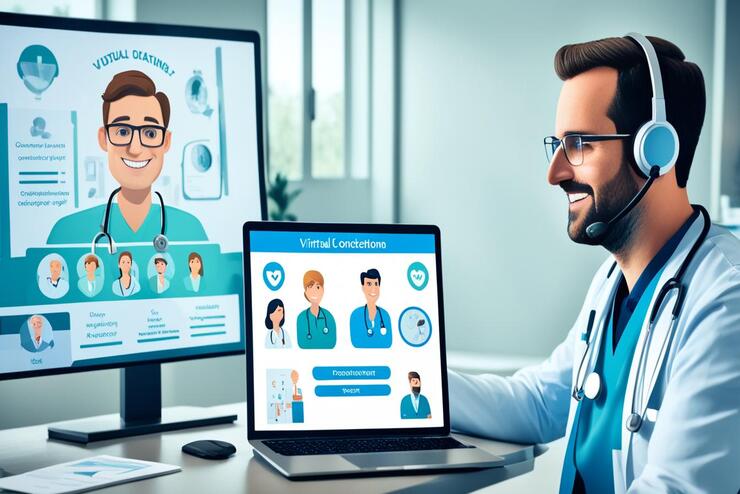
Medicine never stands still. New research, updated treatment guidelines, and evolving technologies constantly reshape the healthcare landscape. For doctors, nurses, and technicians, staying current is not optional. It is a professional responsibility. Yet busy schedules often make traditional classroom learning difficult. That is where online healthcare classes in Abu Dhabi become valuable learning tools.
These programs allow healthcare professionals to upgrade their knowledge without stepping away from work. From clinical updates to practical training modules, online learning helps medical teams stay informed and confident in their roles. In this guide, you will discover how online healthcare education keeps professionals updated in a fast-moving medical world.
Why Continuous Learning Is Essential in Healthcare
Healthcare professionals work in an environment where new discoveries appear frequently. Treatment protocols evolve, diagnostic tools improve, and patient care practices change. Without ongoing education, professionals may rely on outdated knowledge. Continuous learning ensures that healthcare providers deliver safe, accurate, and effective care based on the latest medical guidelines and practices.
How Online Healthcare Classes Keep Medical Professionals Updated
Online education provides practical solutions that help healthcare workers maintain current knowledge and improve their professional skills.
Access to the Latest Medical Knowledge
Online courses often update their content to reflect recent research and clinical guidelines. Healthcare professionals can learn about modern treatment methods, diagnostic advancements, and patient care techniques without waiting for traditional training sessions.
Flexible Learning for Busy Schedules
Medical professionals often work long shifts and unpredictable hours. Online classes allow them to study during convenient times, whether early in the morning, during breaks, or after work. This flexibility ensures learning does not interfere with patient care responsibilities.
Learning from Experienced Medical Educators
Many online programs are developed by experienced doctors, nurses, and healthcare educators. Their insights help learners understand complex topics more clearly and apply knowledge in real clinical situations.
Interactive Learning Through Real Case Studies
Healthcare learning becomes more meaningful when professionals analyze real clinical scenarios. Many online programs include case-based discussions that allow learners to review diagnoses, treatment plans, and patient outcomes.
Improving Practical Emergency Skills
Emergency response skills are critical for healthcare professionals. Some online programs support practical skill development by combining digital learning with hands-on training sessions, such as basic life support training in Abu Dhabi, ensuring professionals are prepared for critical situations.
Encouraging Continuous Professional Development
Healthcare professionals are often required to complete continuing education to maintain licenses or certifications. Online courses provide convenient opportunities to meet these requirements while expanding knowledge and professional expertise.
Supporting Multidisciplinary Learning
Healthcare professionals work in teams that include doctors, nurses, technicians, and therapists. Online learning platforms often offer courses that encourage collaboration and understanding across multiple healthcare specialties.
Improving Patient Care Standards
Updated knowledge directly improves patient outcomes. Healthcare professionals who stay informed about new procedures, technologies, and treatment guidelines are better prepared to deliver effective and safe care.
Key Advantages of Online Healthcare Learning
Online education offers several benefits that make it especially valuable for medical professionals.
Convenient Access to Learning Materials
Professionals can review course materials anytime, allowing them to revisit important lessons and strengthen their understanding.
Wide Range of Healthcare Topics
Online platforms offer diverse courses covering clinical practices, emergency care, patient safety, and healthcare management.
Learning at an Individual Pace
Professionals can move through lessons according to their own learning speed, ensuring a deeper understanding of complex medical topics.
Better Knowledge Retention
Interactive modules, quizzes, and practical examples help reinforce learning and improve long-term knowledge retention.
Key takeaways
Healthcare is a field where knowledge must constantly evolve. Medical professionals who stay informed about new treatments, technologies, and clinical practices are better equipped to deliver high-quality patient care. Continuous education helps them maintain professional competence and confidence in their work.
Programs such as online healthcare classes in Abu Dhabi offer a practical way for professionals to update their knowledge without disrupting their demanding schedules. By embracing flexible learning opportunities, healthcare providers can stay prepared for new challenges and continue delivering safe, effective care in an ever-changing medical environment.
Frequently Asked Questions
Why are online healthcare classes important for medical professionals?
Online classes allow healthcare professionals to stay informed about new treatments, medical technologies, and clinical guidelines while balancing demanding work schedules.
Are online healthcare courses recognized in the medical field?
Many accredited programs are recognized by healthcare institutions and professional bodies, especially when they follow established medical education standards and certification requirements.
Can online healthcare classes improve practical skills?
Yes. Many programs combine theoretical learning with case studies, simulations, and optional hands-on workshops to strengthen clinical skills and decision-making abilities.
Who can benefit from online healthcare learning programs?
Doctors, nurses, technicians, medical students, and healthcare administrators can all benefit from online learning programs designed to improve medical knowledge and professional skills.
How often should healthcare professionals update their skills?
Healthcare professionals should regularly update their skills through continuous learning to stay aligned with evolving medical research, clinical practices, and patient care standards.
Our Offers