

Blogpost
How Certified Caregiver Professional Training Prepares You for Real-World Caregiving?
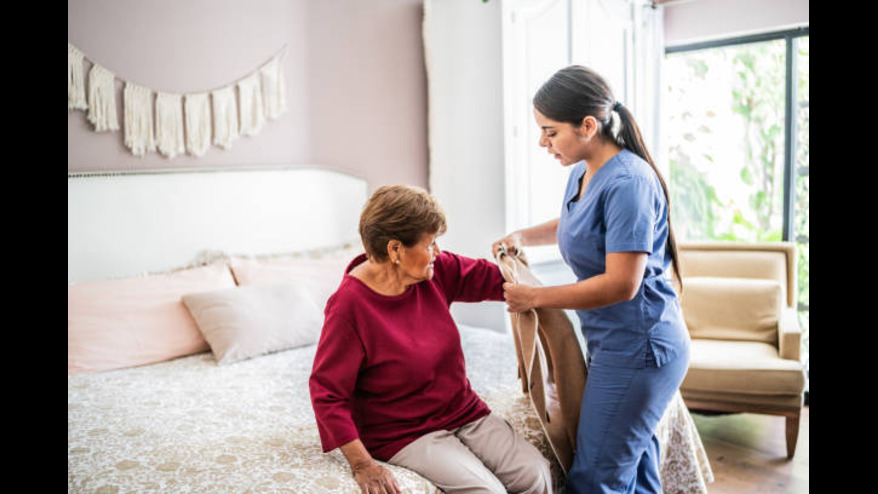
A caring heart is valuable, but professional caregiving demands much more than good intentions. The journey to becoming a Certified Caregiver Professional UAE begins with specialized training that transforms compassion into practical expertise, preparing individuals to handle real-life caregiving situations with confidence and competence.
As healthcare needs continue to evolve, families and employers increasingly seek caregivers who possess both technical knowledge and interpersonal skills. Professional caregiver training bridges this gap by combining classroom learning with hands-on experience, ensuring caregivers are ready to make a meaningful difference from day one.
Why Professional Caregiver Training Matters?
Caregiving involves supporting individuals with diverse physical, emotional, and personal needs. Without proper preparation, even simple tasks can become challenging. A structured certification program equips aspiring caregivers with the knowledge needed to provide safe, respectful, and effective care.
Professional training helps caregivers understand patient care principles, health monitoring, communication techniques, infection control practices, and emergency response procedures. More importantly, it teaches them how to apply these skills in real-world settings where every situation is unique.
Building Confidence Through Practical Learning
One of the greatest strengths of caregiver training is its focus on practical application. Learners participate in exercises that mirror everyday caregiving responsibilities, allowing them to develop confidence before entering the workforce.
Training often includes:
Personal Care Assistance
Caregivers learn how to assist individuals with daily activities such as bathing, dressing, mobility support, grooming, and meal assistance while maintaining dignity and independence.
Health Observation Skills
Recognizing changes in a client's condition is a critical responsibility. Training teaches caregivers how to monitor vital signs, identify warning indicators, and communicate concerns appropriately.
Emergency Preparedness
Unexpected situations can arise at any moment. Professional programs prepare caregivers to respond calmly and effectively during medical emergencies, reducing risks and improving outcomes.
Developing Strong Communication Skills
Technical skills alone do not create exceptional caregivers. Effective communication plays a central role in building trust with clients, families, and healthcare professionals.
During training, caregivers learn how to:
Listen actively to client concerns.
Communicate with empathy and professionalism.
Handle sensitive conversations respectfully.
Maintain accurate records and reports.
These skills help create a supportive environment where clients feel heard, valued, and understood.
Learning to Adapt to Different Care Environments
No two caregiving situations are identical. A caregiver may support an elderly individual living independently, assist someone recovering from surgery, or provide care for a person with chronic health conditions.
Professional training introduces caregivers to various care scenarios, helping them develop flexibility and sound decision-making abilities. This exposure prepares them to adapt quickly while maintaining high standards of care.
The Value of Choosing the Right Training Institution
Selecting a reputable training provider can significantly influence a caregiver's professional development. A recognized CNA training institute Abu Dhabi offers structured curricula, experienced instructors, and practical learning opportunities that align with industry expectations.
Quality training programs focus not only on certification but also on preparing graduates for the realities of caregiving careers. This comprehensive approach helps learners transition smoothly from training environments to professional caregiving roles.
Turning Knowledge Into Meaningful Care
Real-world caregiving requires patience, emotional intelligence, technical competence, and sound judgment. Certification programs are designed to cultivate all these qualities simultaneously.
By learning how to assess situations, communicate effectively, and provide safe support, caregivers become valuable contributors to the wellbeing of those they serve. The confidence gained through structured training allows them to approach each day with greater preparedness and professionalism.
Final Takeaway
Behind every exceptional caregiver is a foundation built on education, practice, and dedication. Professional certification does more than teach caregiving techniques; it prepares individuals to navigate the complexities of human care with skill and compassion.
For aspiring caregivers, investing in quality training is an investment in both professional growth and the lives they will impact. The lessons learned during certification become the tools that transform everyday assistance into meaningful, life-enhancing care.
Frequently Asked Questions
What is the purpose of Certified Caregiver Professional training?
Certified Caregiver Professional training equips individuals with practical caregiving skills, safety procedures, communication techniques, and patient support knowledge. It prepares caregivers to handle real-life responsibilities confidently while maintaining high standards of care and professionalism.
How does caregiver training improve employment opportunities?
Employers often prioritize trained candidates because certification demonstrates competency and commitment. Professional training enhances credibility, improves job readiness, and increases access to caregiving opportunities across healthcare facilities, home care services, and community support settings.
What practical skills are taught during caregiver certification programs?
Training typically covers personal care assistance, mobility support, infection prevention, health observation, emergency response, documentation practices, and effective communication. These skills help caregivers manage daily responsibilities safely and efficiently.
Why is communication important in professional caregiving?
Strong communication helps caregivers understand client needs, coordinate with healthcare professionals, and build trust with families. Effective interaction contributes to better care experiences, improved safety, and stronger emotional support for individuals receiving care.
How do I choose the right caregiver training program?
Look for accredited institutions with experienced instructors, practical training components, and industry-recognized certification. A comprehensive program should balance theoretical knowledge with real-world application to ensure career readiness upon completion.
Our Offers